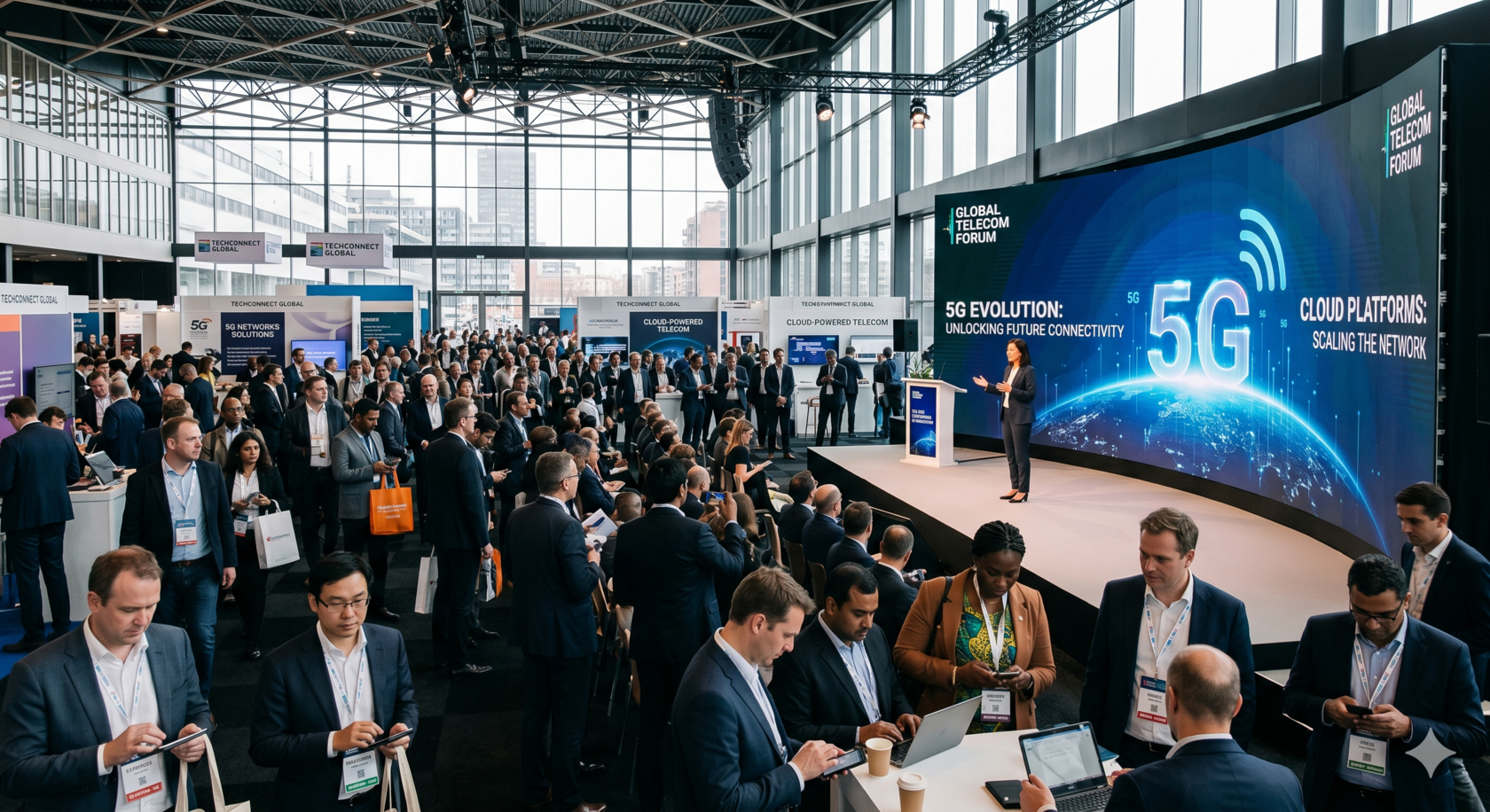
On May 20–21, Samarkand will host GSMA M360 Eurasia 2026, bringing together more than a thousand representatives from the telecommunications industry, government agencies, technology companies, and investment firms from across the region. However, the biggest development ahead of the event is not the venue itself, but the business agenda released by the organizers.
According to GSMA, artificial intelligence will be the central theme of this year’s forum. Participants will explore how AI is reshaping the telecommunications sector, including the development of AI-ready infrastructure, the use of artificial intelligence in public services, the evolution of digital platforms, and new approaches to network monetization.
Another major topic will be the development of sovereign digital infrastructure. Discussions will focus on national data centers, cloud platforms, data storage strategies, and measures aimed at strengthening digital independence across Eurasian markets. The issue has become increasingly important for Central Asian countries, where governments continue to invest heavily in digital transformation initiatives and public-sector technology projects.
Satellite connectivity is also expected to play a prominent role in the forum’s agenda. As interest in low-earth-orbit satellite networks continues to grow, telecom operators are evaluating new models for connecting remote areas and enhancing the resilience of existing communications infrastructure.
Cybersecurity will be another key track at the event. GSMA notes that the rapid digitalization of economies has significantly increased the importance of protecting critical infrastructure, telecommunications networks, and government digital platforms. As a result, network resilience, data protection, and cyber risk management are expected to be among the most discussed topics.
Confirmed speakers include representatives from GSMA, VEON, Beeline Uzbekistan, Google, Huawei, ZTE, Jazz Pakistan, Moldcell, Tcell, and national telecommunications regulators from several Eurasian countries. The forum is being held with the support of Uzbekistan’s Ministry of Digital Technologies and is widely regarded as one of the most significant telecommunications events in the region in 2026.
For the Central Asian market, the forum also highlights a broader shift in industry priorities. While similar events were primarily focused on 5G deployment just a few years ago, attention is now moving toward AI, cloud infrastructure, data centers, and digital ecosystems. Judging by the M360 Eurasia 2026 agenda, these areas are becoming the key growth drivers for the telecommunications industry across the region.
According to GSMA, artificial intelligence will be the central theme of this year’s forum. Participants will explore how AI is reshaping the telecommunications sector, including the development of AI-ready infrastructure, the use of artificial intelligence in public services, the evolution of digital platforms, and new approaches to network monetization.
Another major topic will be the development of sovereign digital infrastructure. Discussions will focus on national data centers, cloud platforms, data storage strategies, and measures aimed at strengthening digital independence across Eurasian markets. The issue has become increasingly important for Central Asian countries, where governments continue to invest heavily in digital transformation initiatives and public-sector technology projects.
Satellite connectivity is also expected to play a prominent role in the forum’s agenda. As interest in low-earth-orbit satellite networks continues to grow, telecom operators are evaluating new models for connecting remote areas and enhancing the resilience of existing communications infrastructure.
Cybersecurity will be another key track at the event. GSMA notes that the rapid digitalization of economies has significantly increased the importance of protecting critical infrastructure, telecommunications networks, and government digital platforms. As a result, network resilience, data protection, and cyber risk management are expected to be among the most discussed topics.
Confirmed speakers include representatives from GSMA, VEON, Beeline Uzbekistan, Google, Huawei, ZTE, Jazz Pakistan, Moldcell, Tcell, and national telecommunications regulators from several Eurasian countries. The forum is being held with the support of Uzbekistan’s Ministry of Digital Technologies and is widely regarded as one of the most significant telecommunications events in the region in 2026.
For the Central Asian market, the forum also highlights a broader shift in industry priorities. While similar events were primarily focused on 5G deployment just a few years ago, attention is now moving toward AI, cloud infrastructure, data centers, and digital ecosystems. Judging by the M360 Eurasia 2026 agenda, these areas are becoming the key growth drivers for the telecommunications industry across the region.